
Skip to content Skip to navigation menu

NEMA Standards and NEMA Motor Classification

In the field of electrical equipment, standardization is a core factor in ensuring product quality, safety, and market competitiveness. As one of the key standards in the global electrical industry, the NEMA standard (National Electrical Manufacturers Association standard) has become an authoritative guide trusted by users not only in the North American market but also globally due to its rigor and wide applicability. Additionally, motor products designed based on the NEMA standard cater to various industrial scenarios with their diverse classifications. The following content provides an introduction to the NEMA standard and the classification of NEMA motors. NEMA stands for the National Electrical Manufacturers Association. This organization is responsible for establishing standards for electrical equipment, including electric motors. NEMA standards encompass a wide array of specifications, including motor size, performance, mounting configuration, and enclosures. The primary objective is to ensure that equipment operate safely and efficiently, even in extreme environments. NEMA standards and NEMA motor classification
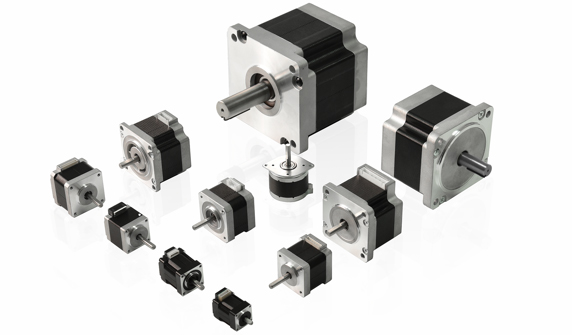
NEMA motor standards define the following key specifications:

Frame and mounting dimensions: These define the motor's mounting and overall physical dimensions. Common frame sizes include the 56 frames, used for small industrial and commercial applications, and the 143T/145T frames, suitable for pumps, conveyors, and fans, etc. This ensures consistent motor sizes across manufacturers, facilitating easy equipment integration and replacement. Power and efficiency rating: Specifies the motor's power and efficiency rating. For example, NEMA premium efficiency motors can reduce energy costs over their lifespan, while NEMA energy-saving motors offer higher efficiency compared to standard motors. Motor frame characteristics: Define the physical characteristics of the motor frame to ensure the structural reliability of the motor. Mounting Options: Determine foot or flange mounting configurations, along with shaft diameter and length for enhanced motor's compatibility. Environmental Protection Class: There are various protection levels, such as Open Drip-Proof (ODP) motors, which are suitable for indoor environments, and Totally Enclosed Fan-Cooled (TEFC) motors are used in harsh environments. Testing and Performance Standards: Establish testing procedures and performance criteria to ensure that motor performance meets the required specifications.

Frame sizes under NEMA standardization:

NEMA specifies standard frame sizes for electric motors, defining the mounting and overall physical dimensions. These standardized frame sizes allow designers to predict motor sizes based on horsepower and revolutions per minute. Some common frame sizes include: 56 frames, which are typically used in small industrial and commercial applications; 143T/145T frames are commonly found in pumps, conveyors and fans; 182T/184T frames are used for industrial applications requiring higher power; 215T and larger frames are specifically designed for heavy-duty industrial applications such as compressors and crushers. In addition to frame dimensions, NEMA defines mounting options (foot mount or flange mount) and specifies shaft diameter and length. This ensures compatibility between different manufacturers, making motor replacement and integration into equipment seamless. By maintaining consistent dimensions and mounting specifications, NEMA frame standards help ensure the interchangeability, reliability, and consistent performance of electric motors.

Motor efficiency and performance standards under NEMA standards:

NEMA establishes energy efficiency standards for electric motors to reduce energy consumption and operating costs. These standards include: NEMA Premium Efficiency: High-efficiency motors that exceed federal minimum efficiency levels, reducing energy costs over then motor's lifespan. NEMA Energy-Efficient Motors: Motors that offer better efficiency than standard motors, but do not meet NEMA Premium levels.

NEMA Motor Classification

NEMA classifies motors into the following categories based on their starting and running characteristics: NEMA Class A: The maximum slip is 5%, the starting current is medium to high, it has normal breakdown torque (which can maintain maximum torque without speed reduction) and standard locked rotor torque (generates torque when stationary). It is widely used in fans, pump systems and other applications in commercial, industrial and construction sectors. NEMA Class B: Similar to Class A performance, but with lower starting current, capable of handling normal starting torque and withstanding high locked rotor torque, especially suitable for HVAC systems that require a balance efficiency and reliability. NEMA Class C: Enhanced design based on Class B, optimized for high starting torque and high inertia load scenarios, particularly suited for the stable drive of heavy equipment, such as large conveyor systems. NEMA Class D: Designed with low starting current and high locked rotor torque, with a slip range of 5% to 13%, it is ideal for working environments that require handling high inertia loads, such as construction cranes and mine hoists.

The frame size naming of MOONS' NEMA motors

MOONS' stepper motors strictly follow NEMA international standards, offering a comprehensive range of frame sizes to support the industrial automation sector, from micro equipment to heavy machinery. The complete range of product frame sizes includes: NEMA6 (14mm), NEMA8 (20), NEMA10 (25mm), NEMA11 (28mm), NEMA14 (35mm), NEMA16 (39mm), NEMA17 (42mm), NEMA20 (50mm), NEMA23 (56.4mm), NEMA24 (60mm), NEMA34 (86mm), NEMA42 (110mm), enabling seamless integration from precision instruments to large production lines. MOONS' NEMA motors are designed in full compliance with NEMA international specifications, ensuring flawless compatibility with global equipment and significantly reducing maintenance and upgrade costs. With a complete range of sizes from 14mm to 110mm, these motors precisely meet the diverse needs of applications such as medical equipment, 3D printing, smart logistics, and heavy industry. Delivering excellent quality, they guarantee high-precision positioning and long-lasting stable operation, providing reliable drive solutions for industries ranging from precision instruments to large-scale production lines.

Recommended Articles:

What is PWM control technology? Relationship Between Motor Torque and Current Electric Motor Terminology Technical about Rated Current